
My Story
Brand strategist. Media builder.
Classical pianist by training.
I’ve spent fifteen years helping exceptional artists and organizations become as visible as they are talented. Here are selected highlights below.
2006
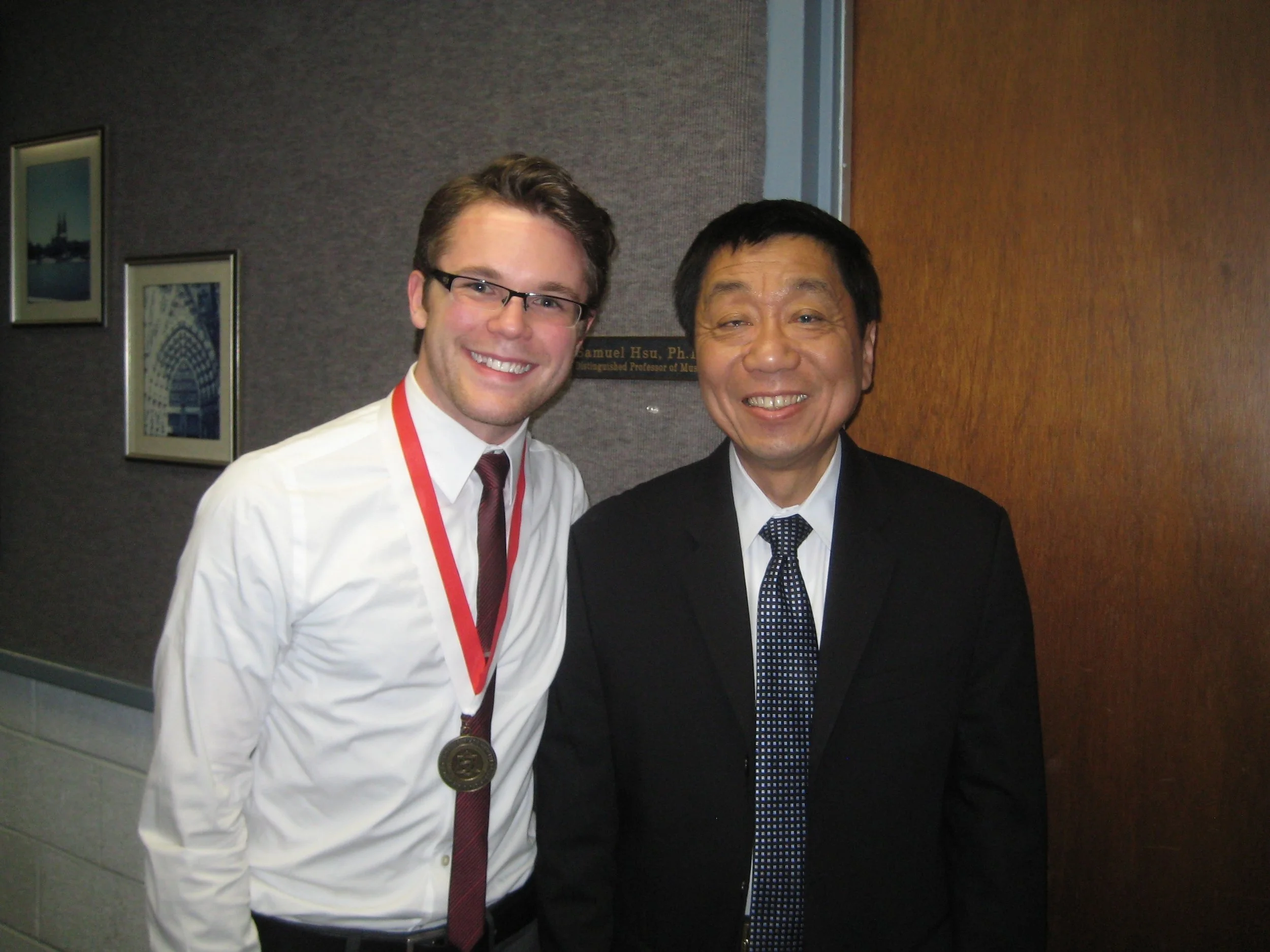
Cairn University, Philadelphia
I began my Bachelor of Music at Cairn University, studying piano in the performance program under Dr. Samuel Hsu. This is where everything started — not in a marketing classroom, but at a keyboard. Understanding what it means to prepare for a performance, to put your work in front of an audience, to be judged on the quality of what you create — that’s the foundation of everything I’ve built since.
2010
Astral Artists, Philadelphia
During my final year of undergrad, I interned at Astral Artists — a nonprofit mentoring program that specialized in developing the early careers of extraordinary classical musicians. This was my first immersion in the business of classical music: how emerging artists are identified, developed, and launched into professional careers. The experience confirmed what I already suspected — that the gap between artistic talent and professional visibility was where the most important work needed to happen.
2011
City, University of London
I moved to London to pursue my Master of Arts in Cultural Policy and Management. London and Philadelphia — and later, New York — are the cities that have shaped my strategic thinking more than anywhere else. The MA gave me the policy and institutional lens. The experience of living inside one of the world’s great cultural capitals gave me the instincts.
2012
IMG Artists, London
While completing my MA, I interned at IMG Artists — one of the world’s largest artist management firms. This was my introduction to the business of classical music at the highest level: how careers are built globally, how relationships between artists and presenters work, and how the international classical music industry operates behind the scenes.
2013
Philadelphia / New York City
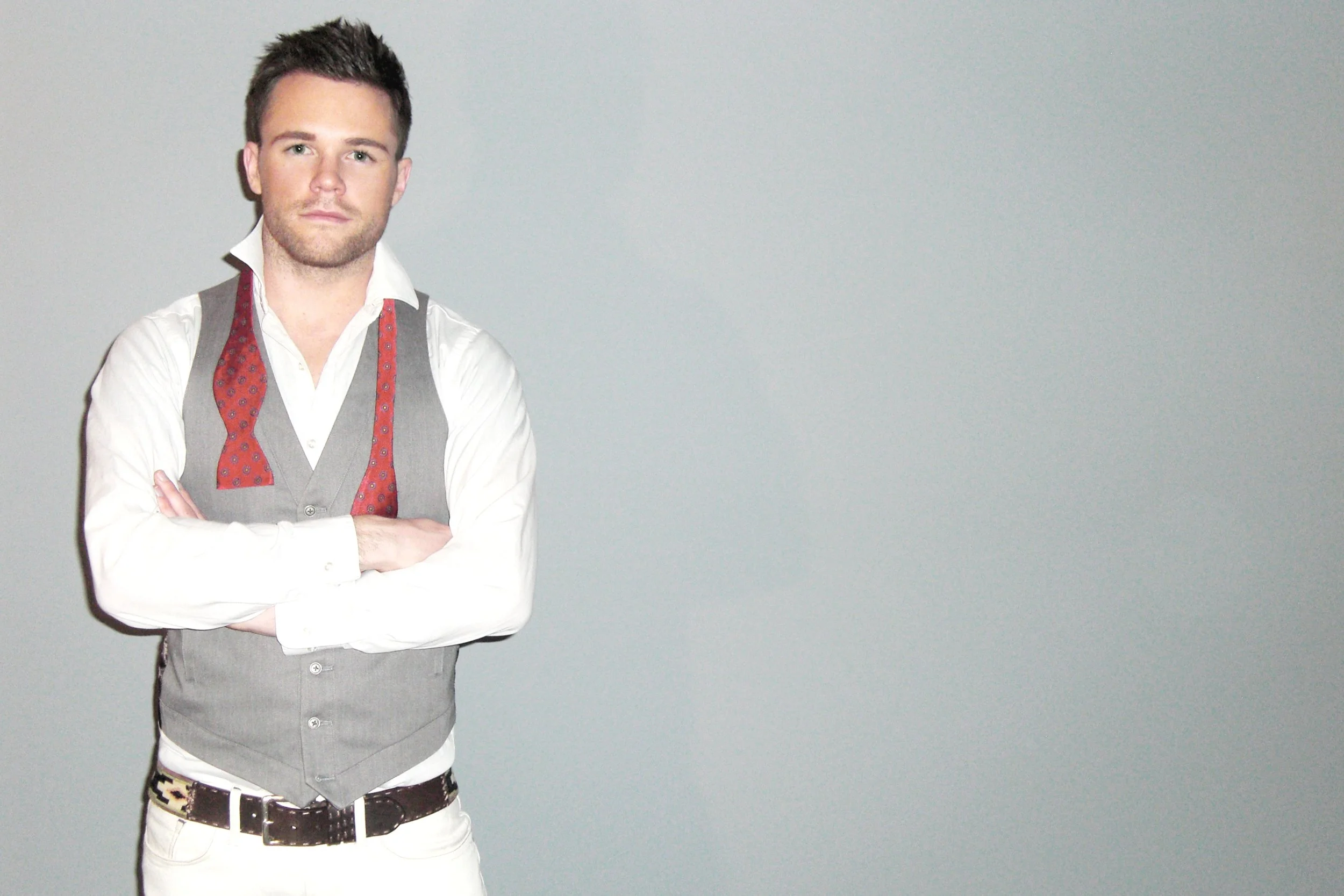
After grad school, I launched my career as a freelance publicist under the name Jonathan Eifert Public Relations, working with classical musicians and arts organizations during the years when digital media was beginning to transform the industry. I learned the craft in the trenches — one artist at a time, one press campaign at a time.
2013
The Golandsky Institute at Princeton University
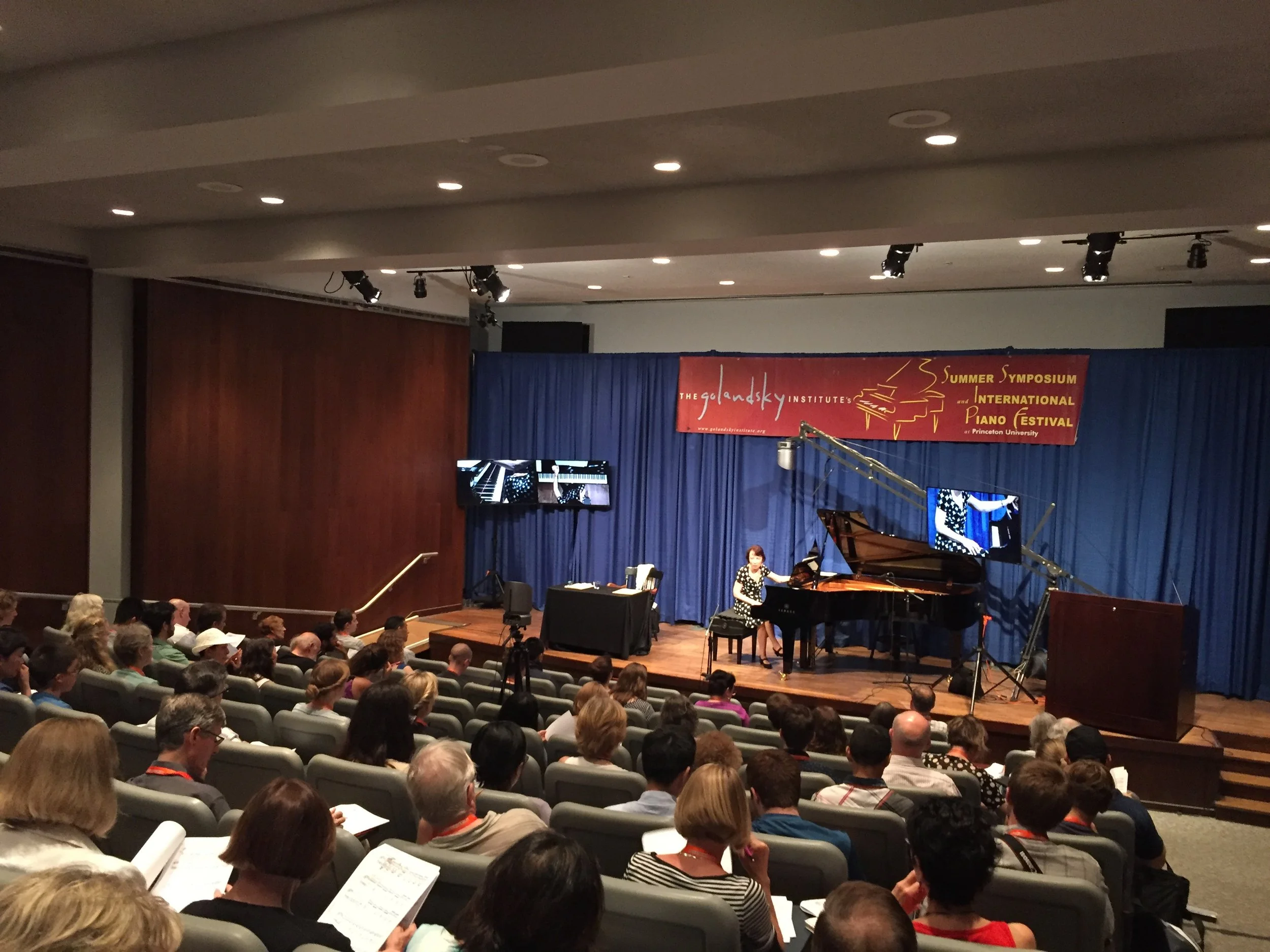
One of my earliest professional engagements. I developed a multi-year digital transformation strategy for the Golandsky Institute, a specialized educational organization hosting an annual symposium at Princeton University. The centerpiece was the launch of a subscription-based streaming platform and live-streaming of the annual symposium — extending the Institute's reach to pianists in 50+ countries. In-person attendance at Princeton grew 34% over five years. The results earned coverage in the New York Times, the Wall Street Journal, and the Philadelphia Inquirer. This was the engagement that proved I could build digital infrastructure at the institutional level — not just run campaigns, but create systems that compound.
2014
Living the Classical Life
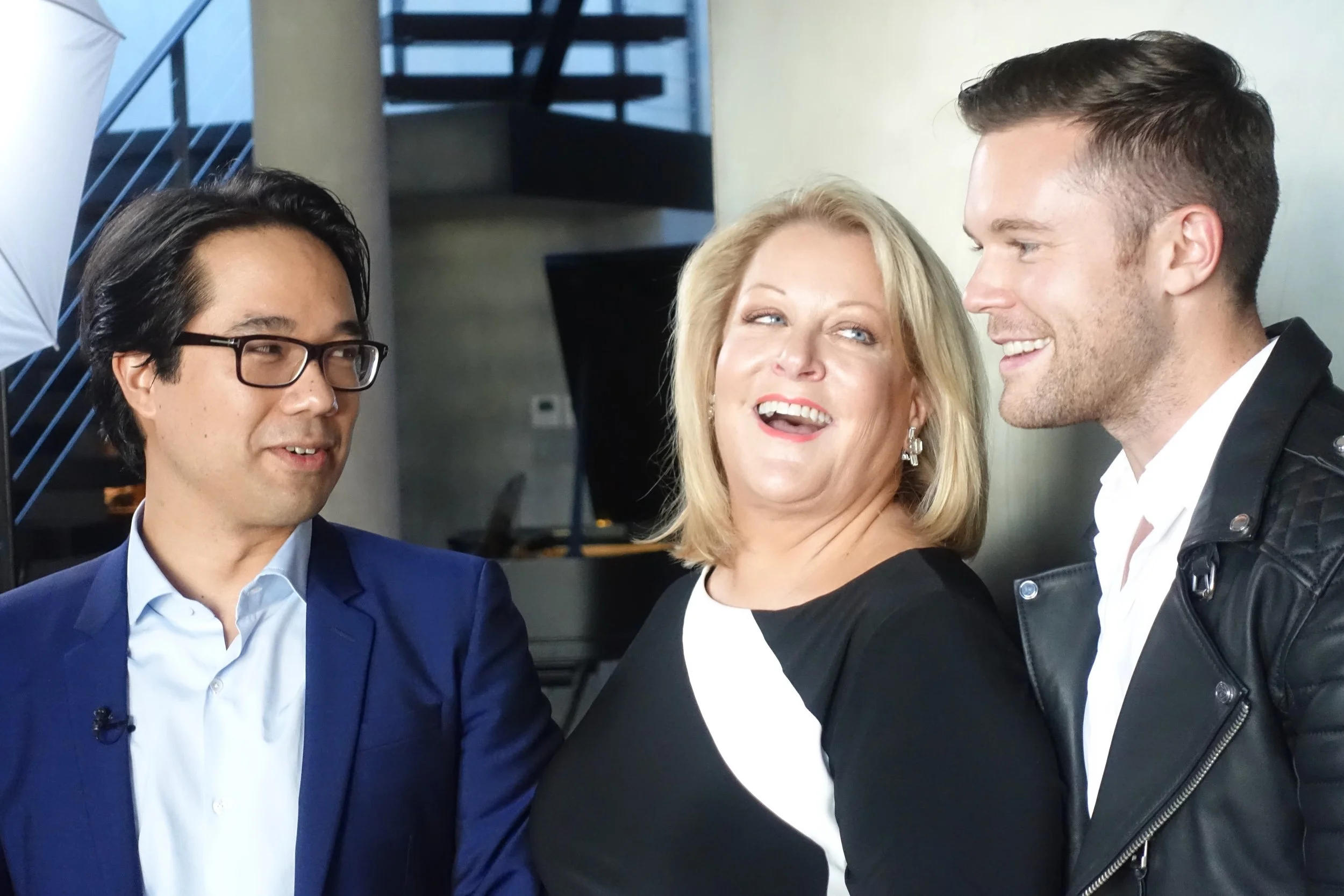
I developed the strategic framework behind Living the Classical Life, a filmed interview series on YouTube created by pianist Zsolt Bognár. The series had strong production values but no distribution strategy. I built a guest-selection framework based on viewership potential — not just artistic credentials — and brokered a global media partnership with the Mark Allen Group that gave the series a promotional footprint across International Piano, Opera Now, and Classical Music magazines. YouTube views grew by 1,100%. The series has since accumulated over three million total views and remains one of the most recognized interview platforms in classical music. This was my first proof point that strategic video distribution — not just content quality — is what drives audience growth at scale.
2015
Michael Fabiano
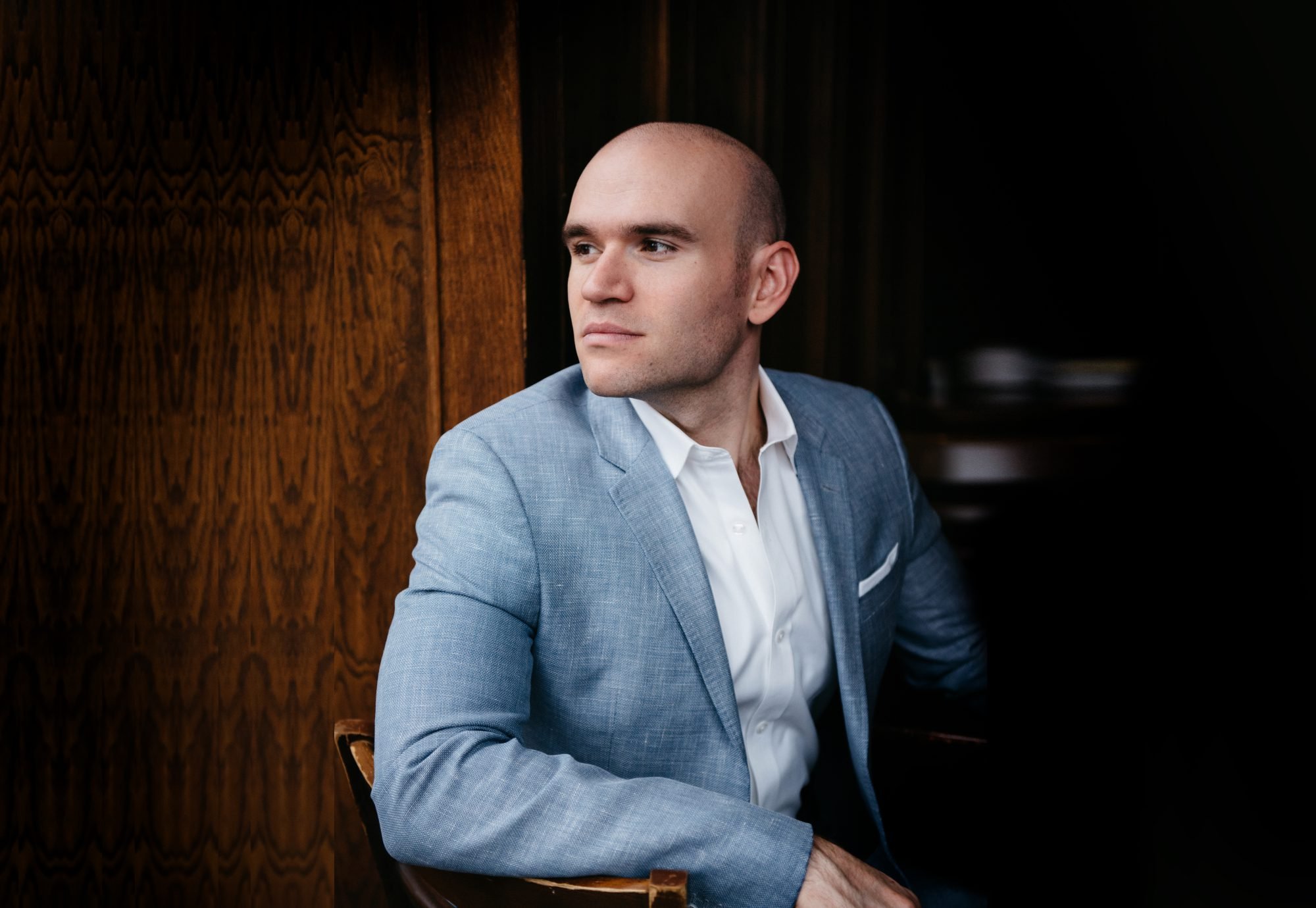
I built the social media presence for one of opera’s fastest-rising tenors — the first singer in history to win both the Richard Tucker Award and the Beverly Sills Award in the same year. Instagram followers grew 166%, all organic. Within two years, the New York Times published a major feature calling him one of the most exciting tenors in the world.
2016
The Cleveland International Piano Competition
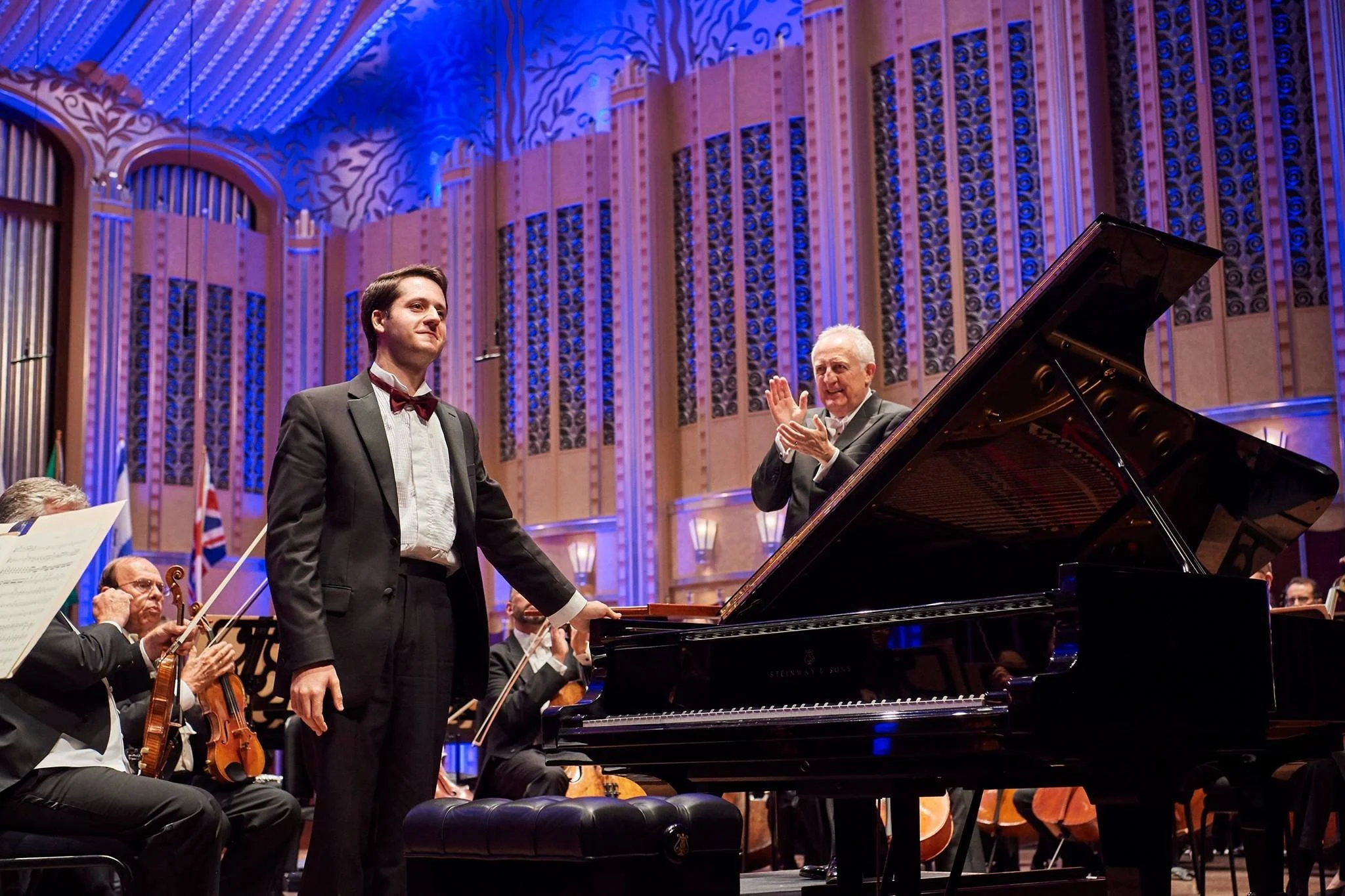
I began working with CIPC in 2015, leading up to and through the 2016 competition. I brokered a partnership between the competition and medici.tv that produced their first-ever webcast featuring The Cleveland Orchestra. Facebook reach increased by over 1,400%. This was the engagement that proved the model: strategic marketing infrastructure — including global streaming partnerships — changes what's possible for a performing arts organization.
2018
Classical Post Launched in New York City
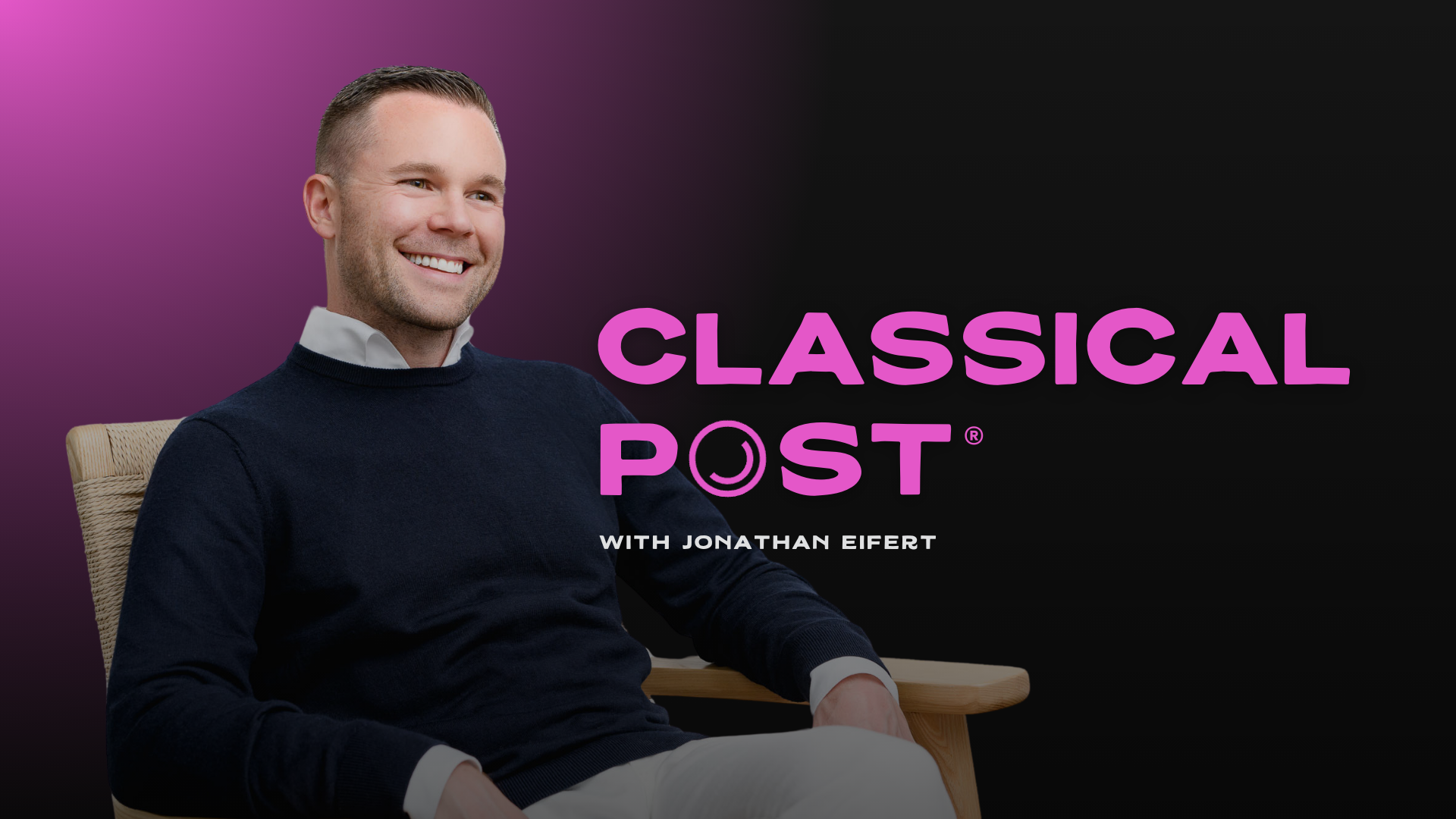
I moved to New York and launched Classical Post — a media property dedicated to telling the stories of exceptional musicians in their own voices. I started it from a hot desk at the original WeWork in SoHo. What began as a blog, morphed into a podcast, and has grown to be a publishing platform that has reached more than 250,000 people since launch, featuring over 150 episodes with guests including Hilary Hahn, Klaus Mäkelä, the Danish String Quartet, Anna Clyne, and many more.
2019
Gold Sound Media Founded
I incorporated Gold Sound Media to expand from freelance PR into a full-service brand strategy and marketing consultancy. The thesis was simple: exceptional artists and organizations deserve strategic visibility systems, not ad hoc promotion. Everything I’d learned over the previous decade went into building this firm.
2022
Van Cliburn International Piano Competition
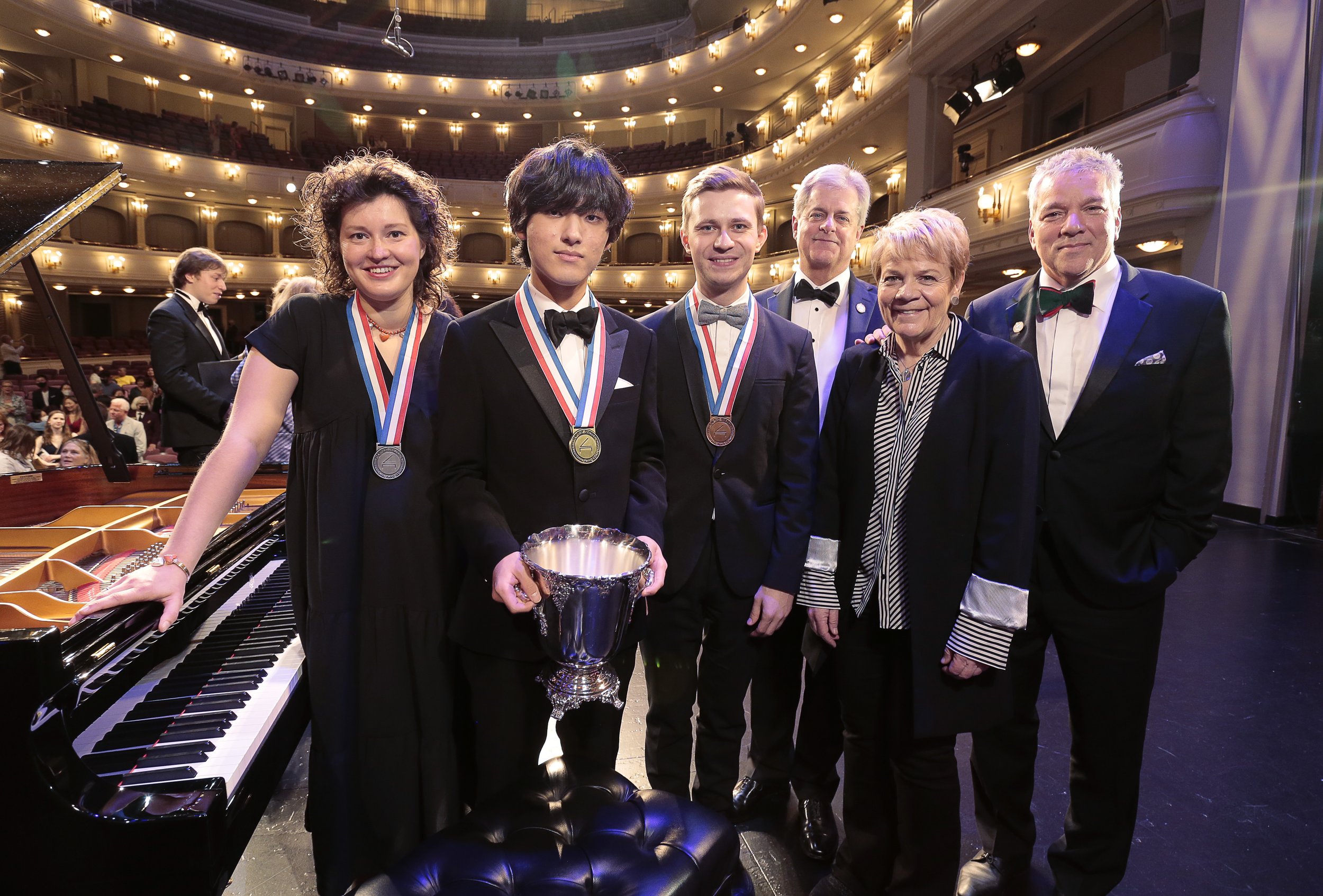
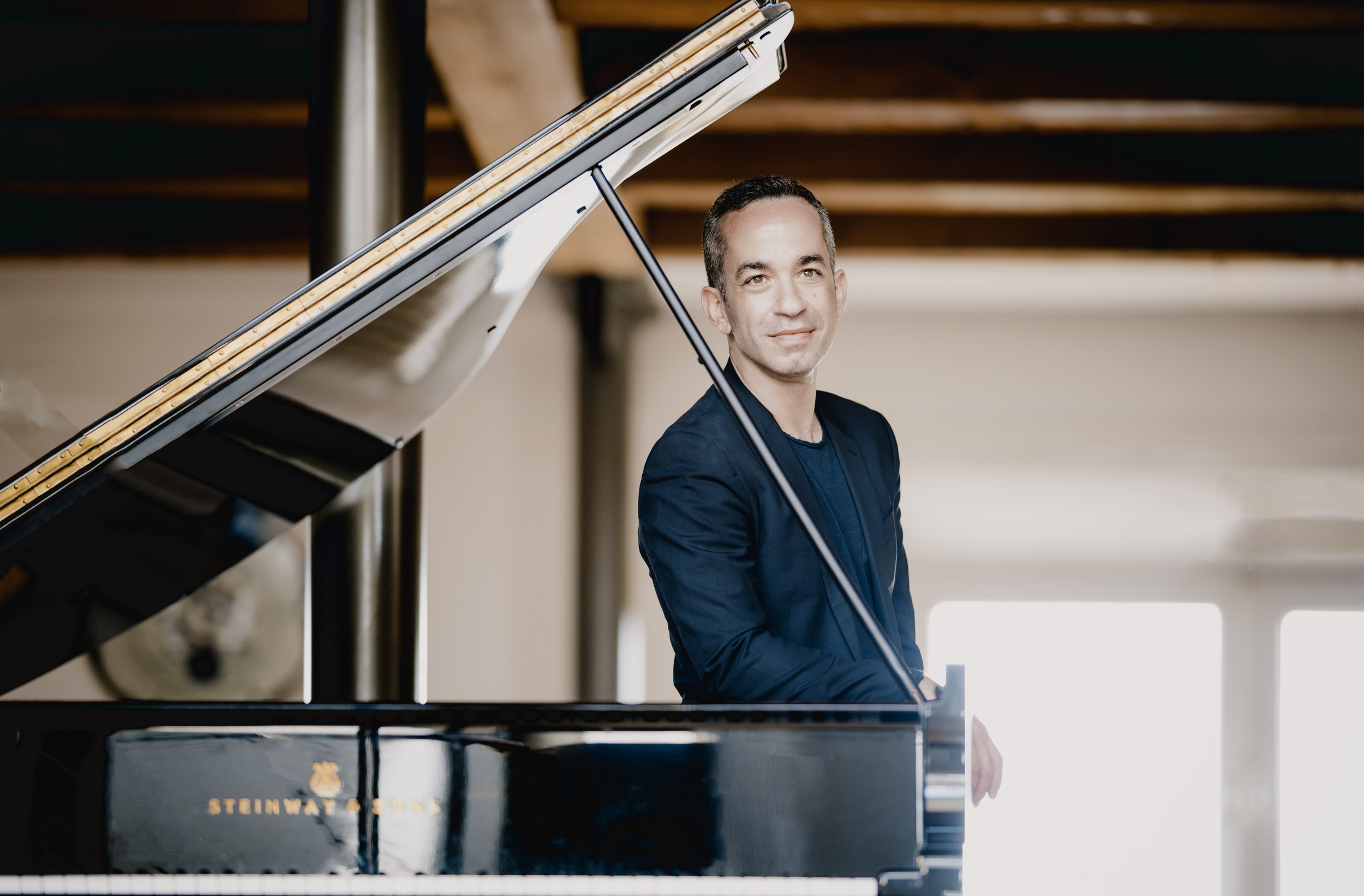
Gold Sound Media deployed on-site for the full three-week competition as the social media strategy and distribution partner. The approach was built on video-first distribution methodology: high-volume organic content structured for algorithmic reach, format variety to prevent content fatigue, and targeted paid campaigns that converted social engagement into global webcast viewership. At the close of competition, the Cliburn reported 10 million webcast views. In the weeks that followed — fueled by sustained virality and the global attention around Yunchan Lim's performance of Rachmaninoff's Third Piano Concerto — the total reached 25 million views in 170 countries. Social media impressions topped 300 million. The Cliburn gained 80,000 new followers in three weeks. Lim's Rachmaninoff Third trended at #24 on YouTube globally. This was the engagement that proved video-first distribution methodology, deployed at scale, can transform the reach of a world-class institution.
2023
Portland Piano International
Portland Piano International had been a Gold Sound Media client for nearly a decade — but the engagement had always centered on traditional marketing: email, print advertising, media relations, and basic social media posts (static images with captions). The programming was world-class. The audience was loyal. But growth had plateaued. In fall 2023, we layered a video-first content and distribution strategy onto the existing infrastructure — short-form artist spotlights and performance highlights structured for algorithmic reach, with the strongest-performing organic content deployed as paid ad creative through targeted Meta campaigns. The results over two seasons: single-ticket buyers grew 50%. Total paid attendance rose 22%. Social-driven website sessions surged 61%. The programming didn't change. Who saw it did. This is the proof point that connects video-first strategy directly to ticket revenue — the metric that matters most to every presenting organization.
2024
GRAMMY Win: Jessie Montgomery
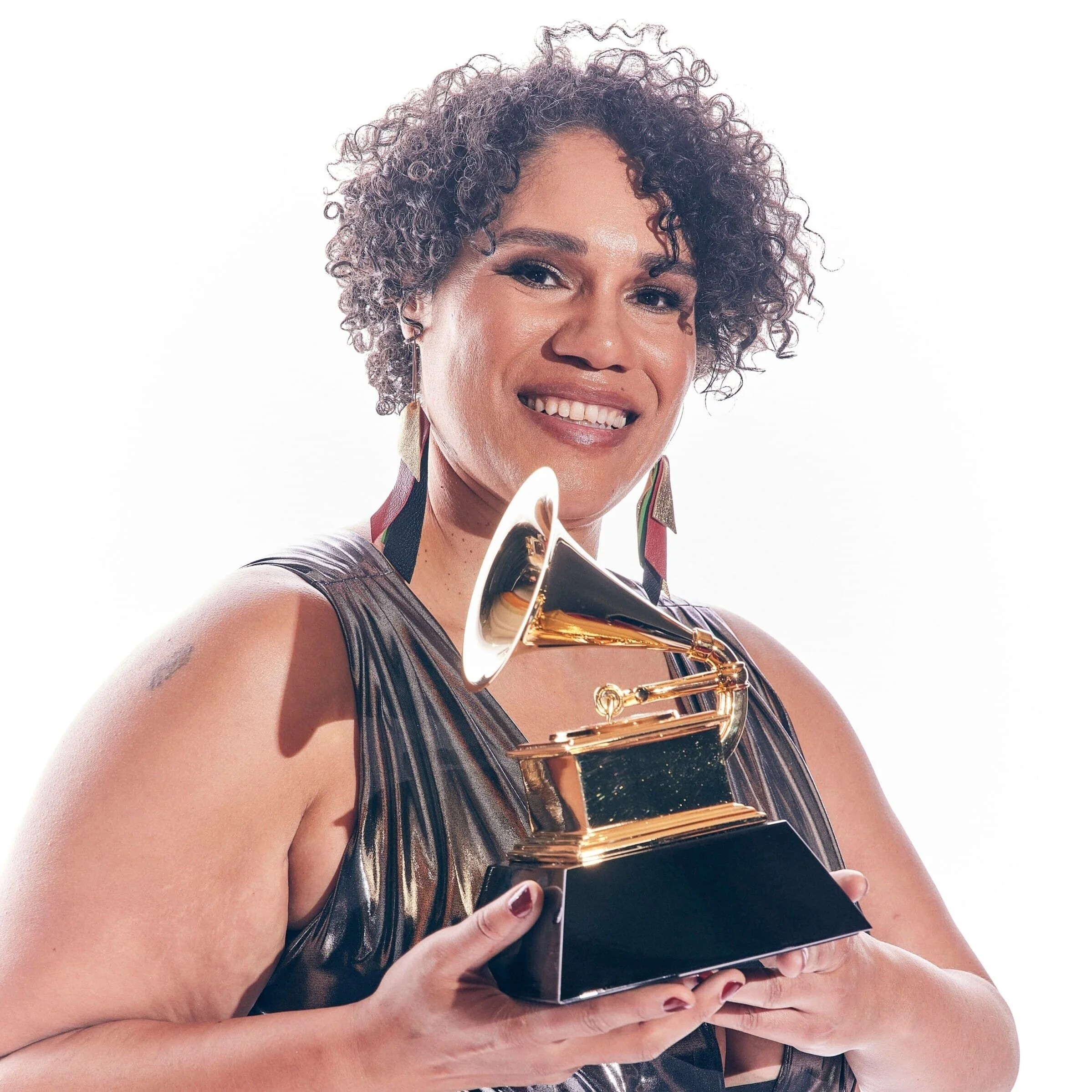
Gold Sound Media led the visibility campaign for pianist Awadagin Pratt's STILLPOINT album — which featured Jessie Montgomery's composition that went on to win the GRAMMY for "Best Contemporary Classical Composition." This wasn't accidental. It was the result of strategic visibility infrastructure built over months of sustained positioning: a launch strategy that put the album in front of the right audiences, followed by a targeted campaign that ensured it reached the critics and voters who recognized its significance.
2025
GRAMMY Nomination: Miró Quartet
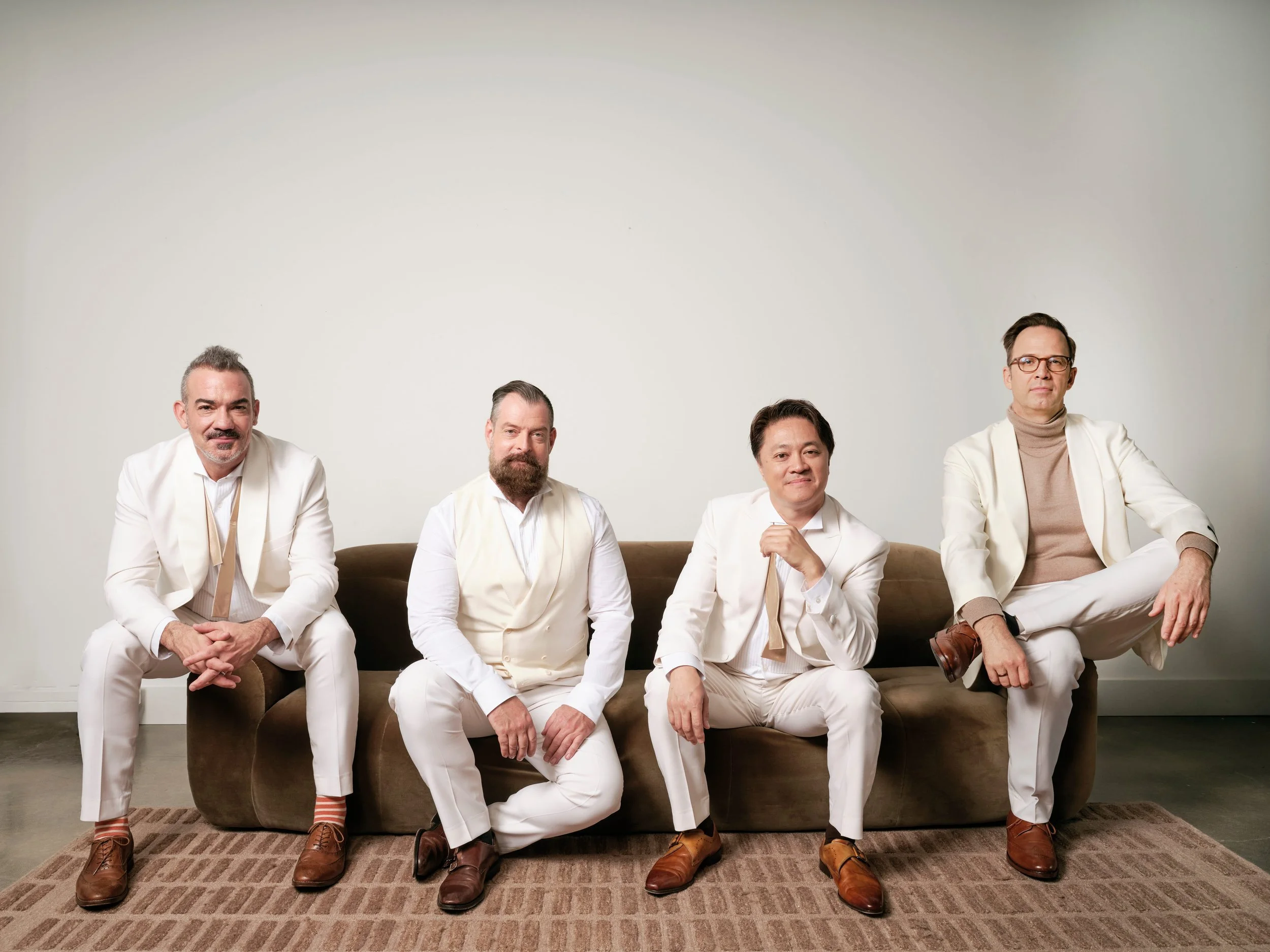
The Miró Quartet is one of America's preeminent string quartets — and before Gold Sound Media, they were functionally invisible online. In the four months prior to our engagement, their Instagram had reached 804 people. Total interactions: 15. Over 12 months of video-first visibility management across two six-month contracts, we generated nearly 500,000 video views and reached 303,000+ unique accounts. Every view was organic — zero paid advertising. The strategy was built on the same distribution methodology deployed at the Cliburn: format variety, hook-first structure, retention optimization, and content engineered for algorithmic reach. The difference was scale — proving that the methodology works not just for a three-week, globally watched competition, but for a single ensemble building sustained visibility from nearly nothing. That visibility compounded into something bigger: the Miró Quartet earned their first-ever GRAMMY nomination during this period — momentum that doesn't happen without sustained strategic presence. This is the before-and-after case that makes the argument on its own.
2025
The Cliburn Returns
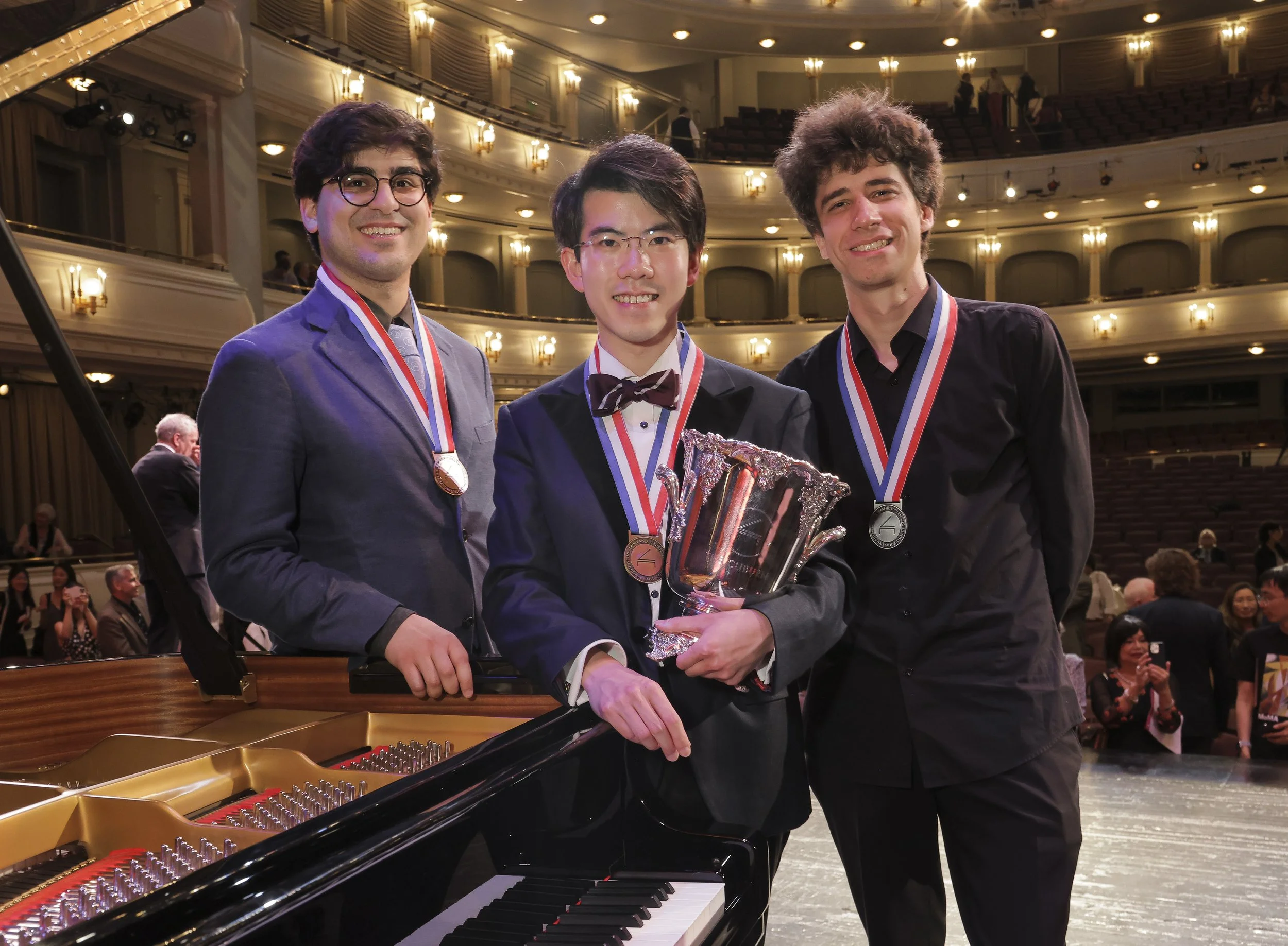
The Cliburn engaged Gold Sound Media for a second competition cycle — the return engagement that proves the results are systematic, not a one-time spike. At the close of competition, the Cliburn reported 20 million webcast views — double the closing-day figure from 2022 — before any post-event viewing. That baseline shift, from 10 million to 20 million on closing day alone, is the compounding effect in action: the audience infrastructure, brand penetration, and distribution methodology built in the first cycle created a structurally higher floor for the second. Combined across both cycles (including post-event viewing): 45+ million webcast views. This is what systematic visibility infrastructure produces — reach that compounds with each cycle rather than resetting to zero.
2026
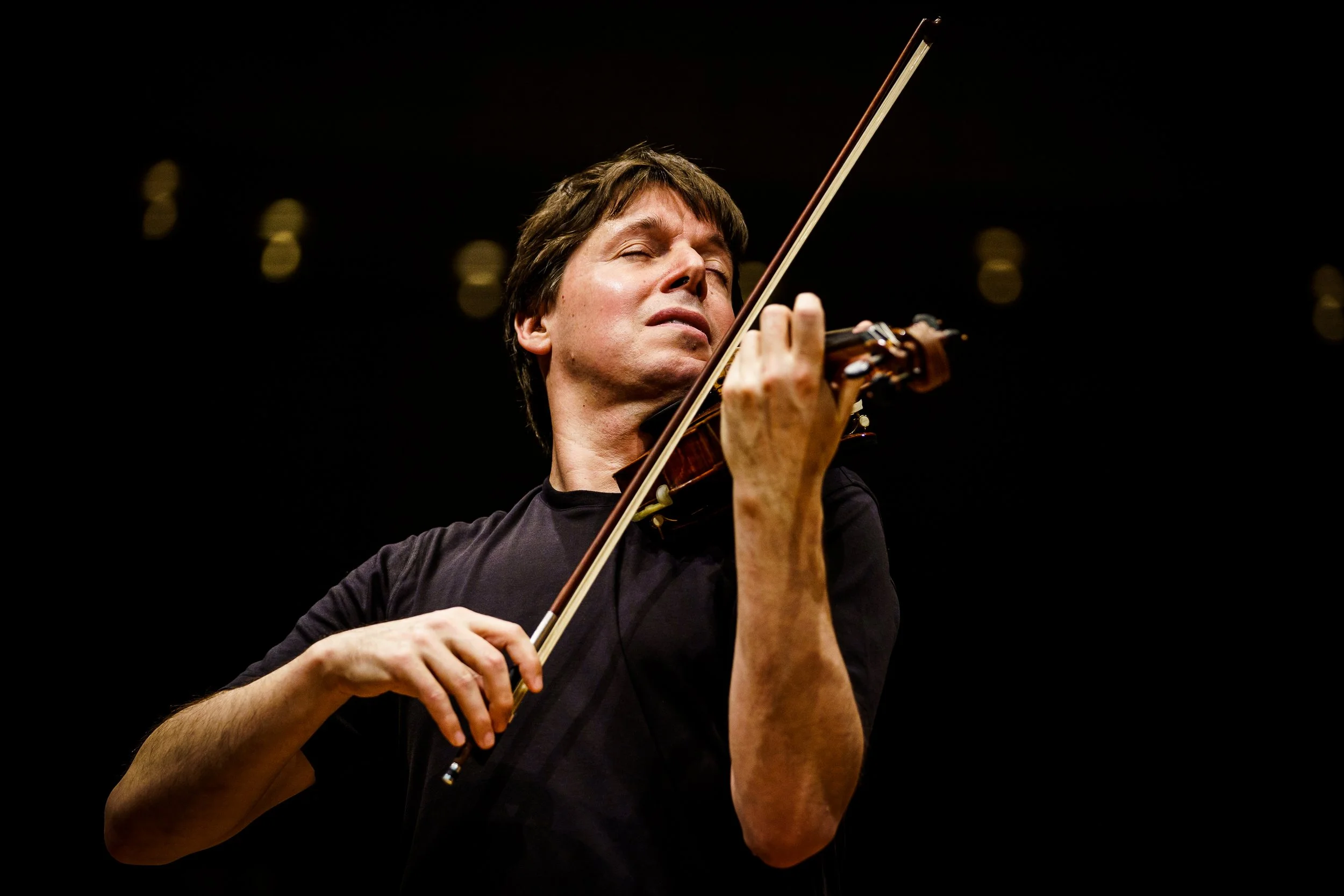
Gilmore Piano Festival
Gold Sound Media was engaged by the Gilmore — one of the most prestigious piano festivals in North America — for the 2026 festival campaign. Working with an institution of this caliber, alongside competitions like the Cliburn, is exactly where this work was always heading: the organizations defining the future of classical music.
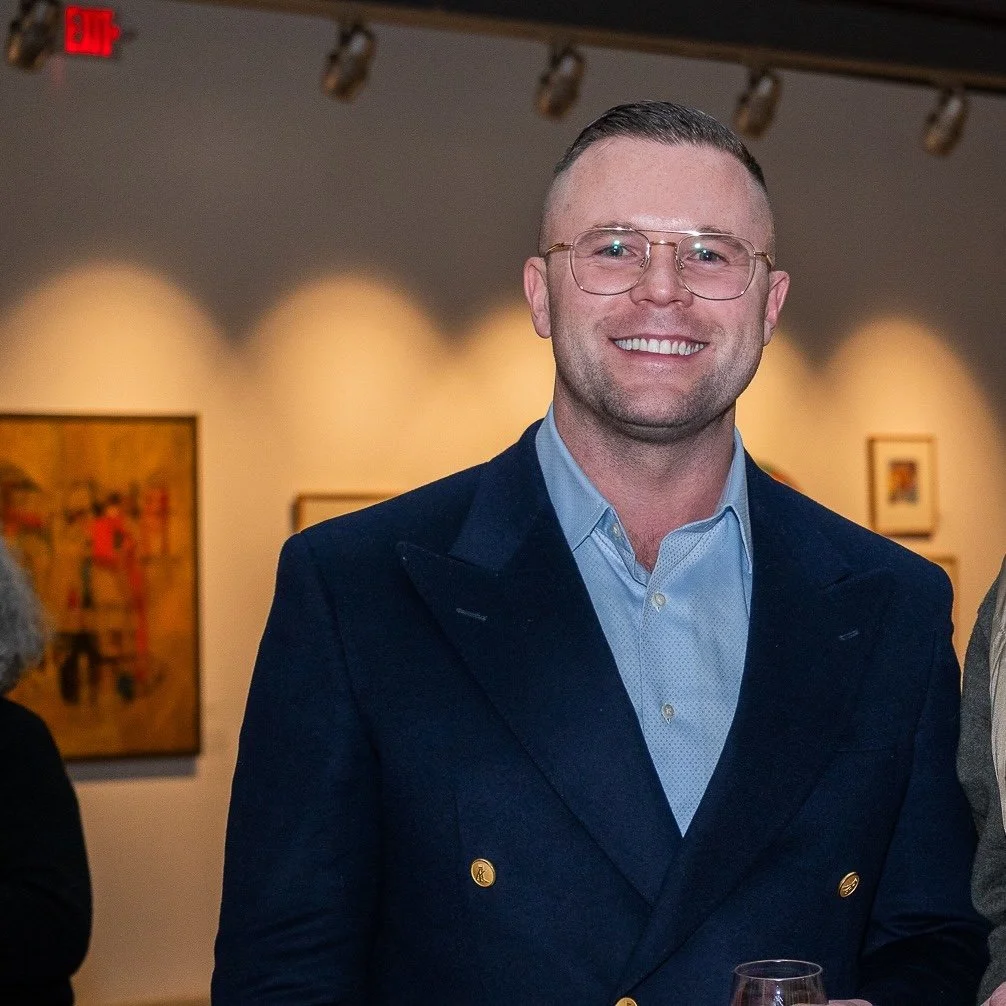
Today
Gold Sound Media serves a selective roster of artists and organizations. I'm writing a book about visibility in the algorithmic age. Classical Post continues to grow. And the thesis keeps proving itself: in 2026, positioning happens through video, and the artists and organizations that invest in strategic distribution will define the next era of classical music.